
Get Deadwood Removal in Ann Arbor, MI
Local contractors in Ann Arbor, MI, can remove dead trees, branches, and debris to improve safety, prevent damage, and prepare properties for maintenance or construction projects.
Property owners in Ann Arbor, MI, who are planning landscape improvements or preparing their land for new projects often find deadwood removal to be an essential step. Clearing away fallen or hazardous trees and branches can enhance the safety and appearance of a property, making it more inviting and functional. Whether managing a residential yard or maintaining a commercial outdoor space, understanding the options available with local contractors can help ensure the work is completed effectively and safely.
Exploring local contractors who specialize in deadwood removal provides an opportunity to compare services and find solutions tailored to specific property needs. These service providers are experienced in handling a variety of situations, from clearing out storm-damaged trees to maintaining healthy landscapes. Continuing to review available options can help property owners make informed decisions about how best to manage deadwood on their land.
- Deadwood removal - when dead, fallen, or hazardous trees pose a risk to property or safety.
- Storm damage cleanup - after severe weather events, deadwood often needs to be cleared from yards and streets.
- Landscaping improvements - during yard renovations in neighborhoods like Kerrytown or Burns Park, deadwood removal helps prepare the space.
- Tree health assessment - when trees show signs of disease or decay, local contractors can safely remove dead branches and wood.
- Property maintenance - for regular upkeep in areas with mature trees, deadwood removal is part of ongoing landscape care.
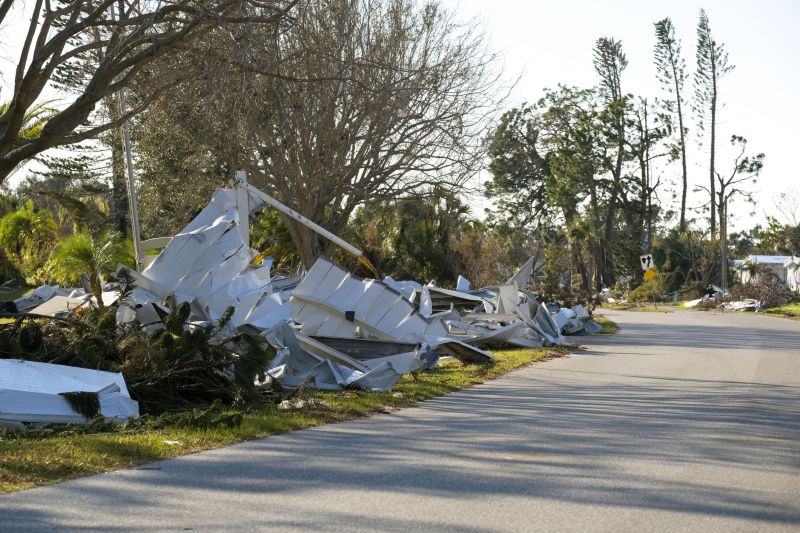
Deadwood removal services involve the careful removal and disposal of dead or decaying trees, branches, and other woody debris from a property. This work is essential for maintaining the safety and appearance of residential and commercial landscapes. Skilled service providers use specialized tools and techniques to safely dismantle and clear away deadwood, reducing the risk of falling branches or trees that could cause damage or injury. Proper deadwood removal not only enhances the visual appeal of a property but also promotes the health of remaining trees by preventing the spread of decay and disease.
Many property owners seek deadwood removal to solve specific problems that can arise from unmanaged dead or dying trees. Overgrown or decaying branches may pose safety hazards, especially during storms or high winds, when weakened limbs could fall unexpectedly. Deadwood can also attract pests or harbor decay-causing fungi, which can spread to healthy trees and plants. Additionally, removing dead or hazardous wood can improve visibility, reduce clutter, and help maintain a well-kept landscape, making it safer and more enjoyable for residents and visitors alike.
Deadwood removal services are commonly used on a variety of property types, including single-family homes, apartment complexes, commercial buildings, and public parks. These services are particularly valuable in areas with mature trees or dense landscaping, where dead branches or trees may be difficult to spot or access. Homeowners often turn to local contractors for help when they notice dead limbs hanging dangerously close to roofs, power lines, or walkways. Property managers and business owners may also seek deadwood removal to ensure their outdoor spaces meet safety standards and look inviting for clients and customers.
Knowing when to schedule deadwood removal can prevent larger problems down the line. Signs indicating the need for this service include visible dead or broken branches, cracks in the trunk, or a general decline in the health of a tree. If a tree appears to be leaning or has large dead limbs that could fall, it’s advisable to contact a professional for an assessment. By connecting with experienced local service providers, property owners can ensure that deadwood is removed safely and effectively, helping to preserve the safety and beauty of their outdoor spaces.
The overview below groups typical Deadwood Removal projects into broad ranges so you can see how smaller, mid-sized, and larger jobs often compare in Ann Arbor, MI.
In many markets, a large share of routine jobs stays in the lower and middle ranges, while only a smaller percentage of projects moves into the highest bands when the work is more complex or site conditions are harder than average.
Small Deadwood Removal - typical costs range from $250-$600 for many smaller jobs, such as removing a few dead branches or small sections of dead wood. Many routine maintenance projects fall within this range, depending on tree size and location.
Moderate Deadwood Removal - larger or more complex projects usually cost between $600-$1,500. These jobs often involve multiple trees or heavier deadwood that requires specialized equipment or techniques.
Extensive Deadwood Removal - for large-scale or difficult jobs, costs can reach $1,500-$3,000. Many of these projects involve mature trees with significant deadwood that poses safety or health concerns.
Full Deadwood Removal or Hazard Tree Removal - larger, more complex projects can exceed $3,000, with some reaching $5,000+ depending on scope and accessibility. Fewer projects fall into this highest tier, typically reserved for high-risk or heavily damaged trees requiring specialized services.
Actual totals will depend on details like access to the work area, the scope of the project, and the materials selected, so use these as general starting points rather than exact figures.
Tree Trimming and Pruning - professionals use similar skills and tools to safely remove dead or hazardous branches, ensuring the health of trees and safety of surrounding areas.
Stump Grinding and Removal - involves the use of specialized equipment to eliminate remaining tree stumps, often following deadwood removal projects for a complete cleanup.
Land Clearing Services - require planning and equipment similar to deadwood removal, especially when removing fallen or dead trees to prepare properties for development or landscaping.
Hazard Tree Assessment and Removal - involves evaluating tree stability and removing dead or dangerous trees, utilizing similar techniques used in deadwood removal for safety purposes.
Storm Damage Cleanup - includes removing fallen branches and broken trees, requiring similar planning and debris removal skills as deadwood removal services.
Firewood Harvesting and Logging - involves cutting and processing dead or fallen trees, employing comparable tools and safety procedures used in deadwood removal projects.
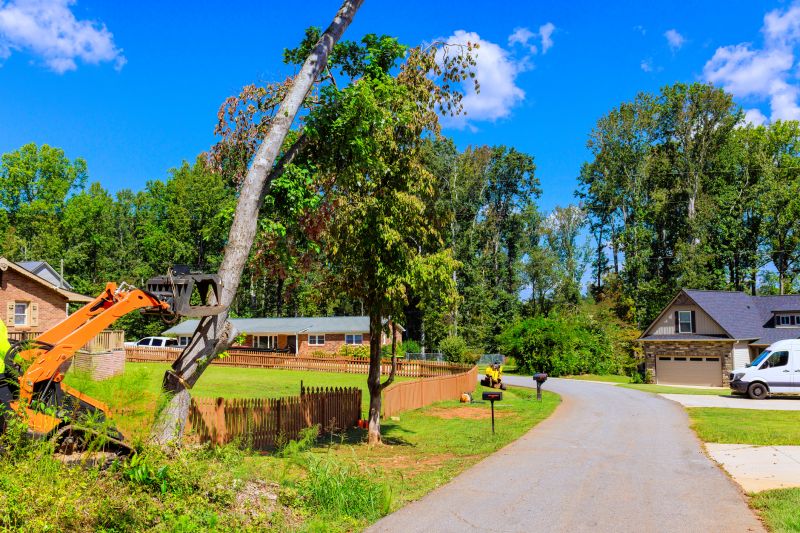
When selecting a contractor to handle Deadwood Removal, it’s important to consider their experience with similar projects in the Ann Arbor area. Homeowners should look for service providers who have a proven track record of successfully completing deadwood removal or related tree care services. This can often be verified by reviewing their portfolio or asking for examples of past work that demonstrate familiarity with trees typical to the region. An experienced contractor will understand the unique challenges that come with deadwood removal in local tree species and environmental conditions, helping ensure the job is done safely and effectively.
Clear, written expectations are essential when working with local contractors for deadwood removal. Homeowners should seek providers who can articulate their process, scope of work, and any necessary preparations or follow-up steps in detail. Having these expectations documented helps prevent misunderstandings and provides a basis for evaluating the quality of the work. A reputable service provider will be transparent about their approach and willing to discuss any specific concerns or preferences before beginning the project, ensuring everyone is aligned on the goals and procedures.
Good communication and reputable references are key factors in choosing the right service provider. Homeowners are encouraged to ask for references from previous clients who had similar deadwood removal work performed. Speaking with past customers can provide insight into the contractor’s professionalism, reliability, and ability to handle the job efficiently. Additionally, a contractor who maintains clear and prompt communication throughout the process can help ensure the project proceeds smoothly. Remember, this site’s role is to introduce homeowners to trusted local options, not to perform the work itself, so gathering firsthand feedback and establishing clear expectations are vital steps in making an informed decision.
Property owners in Ann Arbor, MI use Deadwood Removal services for practical projects around their homes and businesses. This guide focuses on everyday jobs and straightforward project options.
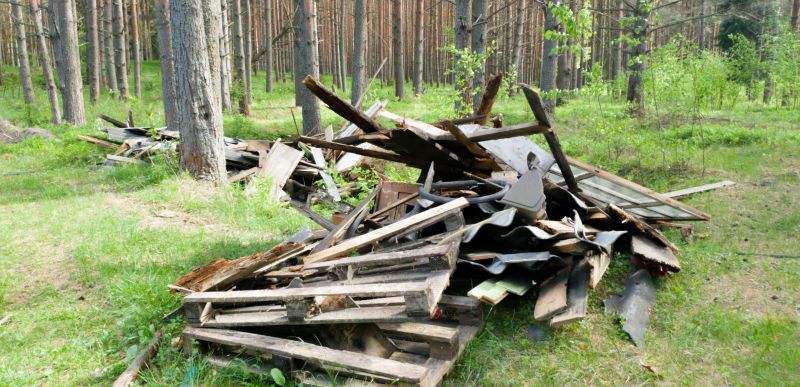
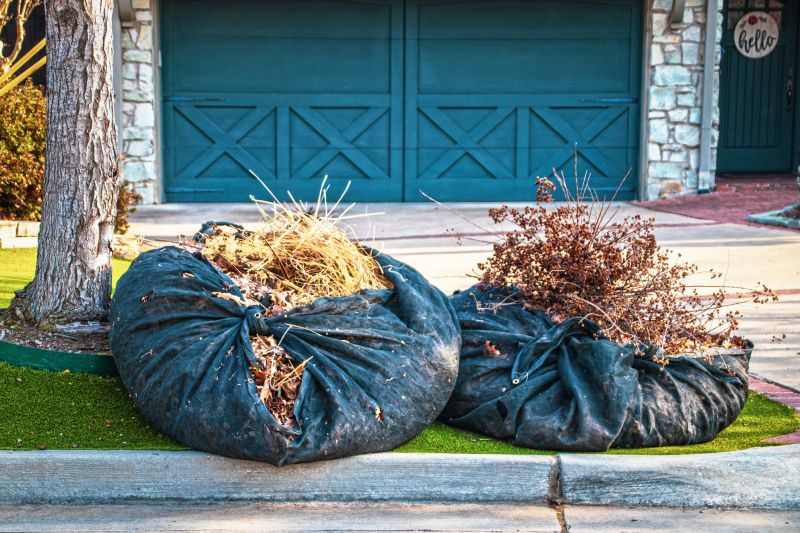
Deadwood and fallen branches can quickly accumulate on a property in Ann Arbor, MI, especially after storms or heavy winds. Property owners may seek deadwood removal services to improve safety by reducing hazards that could cause trips, falls, or damage to structures. Clearing away dead or dying trees and branches also enhances curb appeal, making outdoor spaces look well-maintained and inviting.
In addition, many property owners in Ann Arbor look for deadwood removal to prevent pest infestations or the spread of disease from decaying wood. Whether preparing for seasonal changes or maintaining the health of existing trees, local contractors can handle these tasks efficiently. Removing deadwood can also help promote healthier growth for remaining trees and shrubs, contributing to a more attractive and safe outdoor environment.
What types of deadwood removal services are available? Local contractors offer various deadwood removal options, including selective pruning, hazard tree removal, and complete tree thinning to improve safety and tree health.
How do I know if a tree needs deadwood removal? Professionals can assess your trees for dead or dying branches that pose risks, especially in areas with frequent storms or heavy winds, to determine if removal is advisable.
Is deadwood removal necessary for all trees? Not all trees require deadwood removal; it depends on the tree’s species, health, and location. A local service provider can evaluate whether removal benefits your trees.
What safety precautions do local contractors take during deadwood removal? Experienced service providers follow safety protocols, including using proper equipment and techniques to prevent damage to property and ensure worker safety.
Can deadwood removal help improve the appearance of my trees? Yes, removing dead or broken branches can enhance the visual appeal of trees while also promoting healthier growth. Contact a local contractor to discuss options.
Improve safety around your property - removing dead trees and overgrown branches can reduce hazards for residents and visitors.
Enhance curb appeal - clearing away deadwood can make lawns and gardens look well-maintained and inviting.
Prepare for seasonal changes - removing deadwood helps prevent damage during storms and harsh weather conditions.
Create space for new landscaping - clearing out dead trees and branches opens opportunities for planting or outdoor projects.
If you are thinking about Deadwood Removal for a property in Ann Arbor, MI, this guide is meant to help you understand the work, the typical project types, and how different options might fit your plans.
When you are ready, you can use the quote form on this page to share a few details about your project. From there, local pros can review the basics and respond with options that match what you have in mind.