
Optimal Tree Trimming Periods in Ann Arbor
Tree trimmings are a vital part of maintaining healthy and aesthetically pleasing trees. Proper timing ensures optimal growth, disease prevention, and safety. Understanding the ideal periods for trimming can help preserve the health of trees in Ann Arbor, MI.
Early spring is ideal for pruning to promote new growth and remove winter damage. It encourages healthy development before the active growing season.
Summer trimming helps shape trees and remove any dead or diseased branches. It also allows for better air circulation and sunlight penetration.
Late fall is suitable for light pruning, especially to remove weak or damaged branches. It prepares trees for winter dormancy.
In winter, trimming is best done on deciduous trees when they are dormant. It minimizes stress and allows for easier identification of branches to prune.
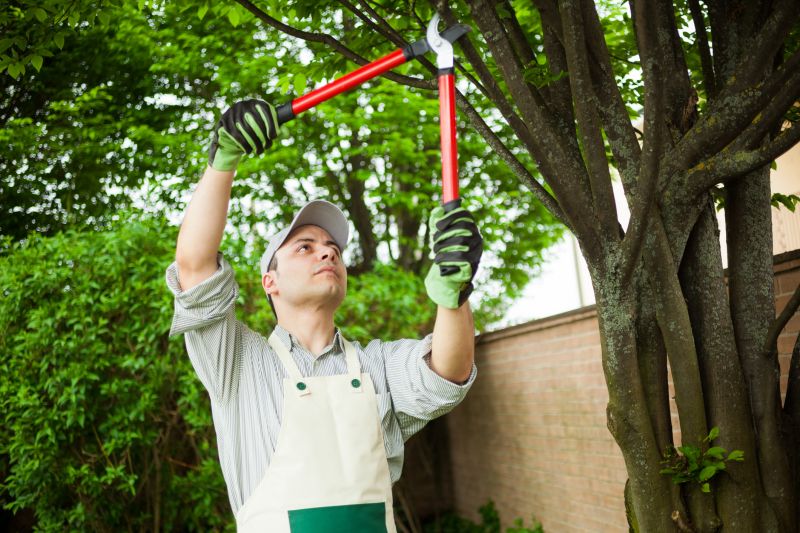
Spring pruning supports healthy growth and flowering.
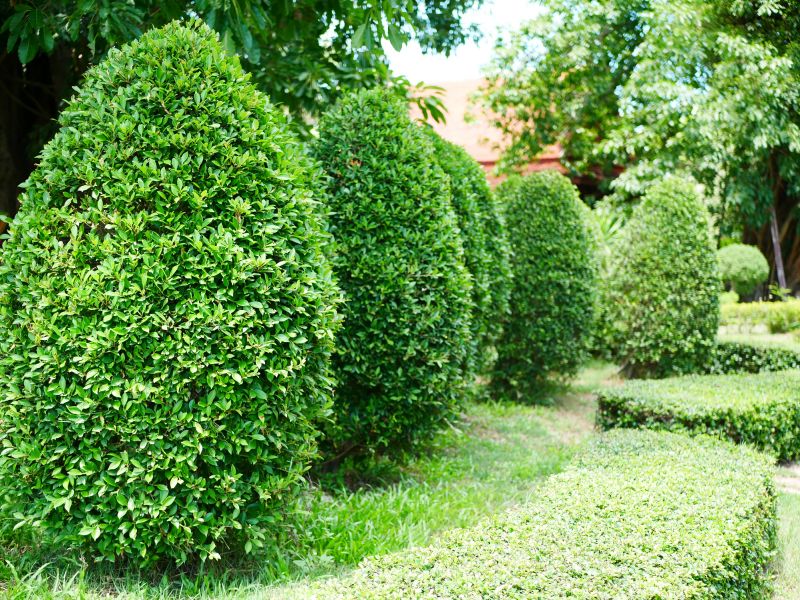
Summer trimming maintains shape and health.
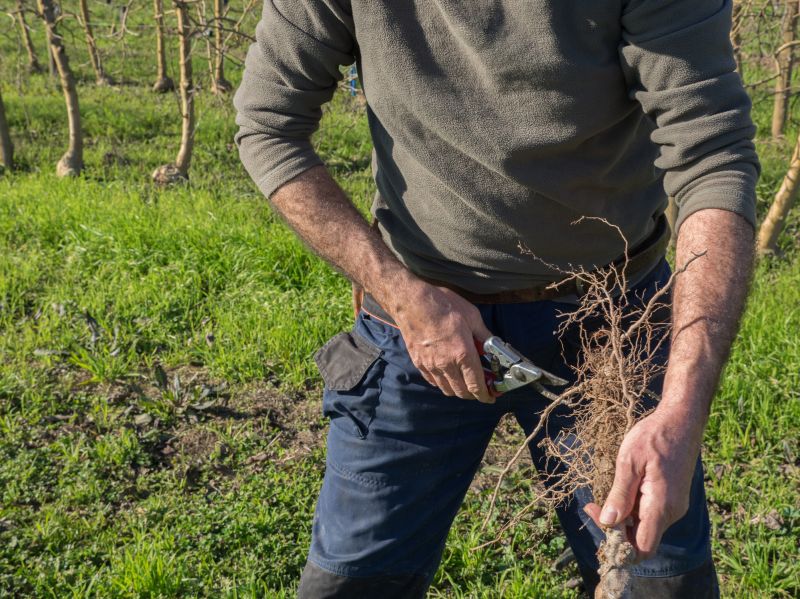
Fall trimming prepares trees for winter.
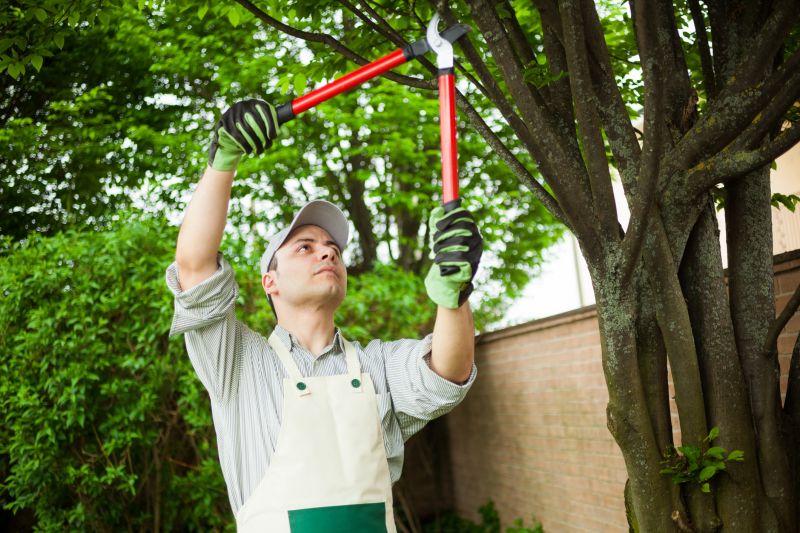
Winter is ideal for pruning deciduous trees.
| Season | Best Practices |
|---|---|
| Spring | Prune early to promote growth and flowering. |
| Summer | Perform light trimming to shape trees and remove dead branches. |
| Fall | Light pruning to prepare for dormancy and remove weak branches. |
| Winter | Prune deciduous trees during dormancy for minimal stress. |
Tree trimmings play a crucial role in the health and safety of trees. Regular maintenance can prevent disease, improve appearance, and reduce hazards caused by falling branches. Proper timing based on the season ensures that trimming efforts support the natural growth cycle and minimize stress on the trees.