
Leading Products For Tree Trimmings You Can Trust
Explore a wide range of essential tools and accessories designed to make your tree trimming tasks safer and more efficient.
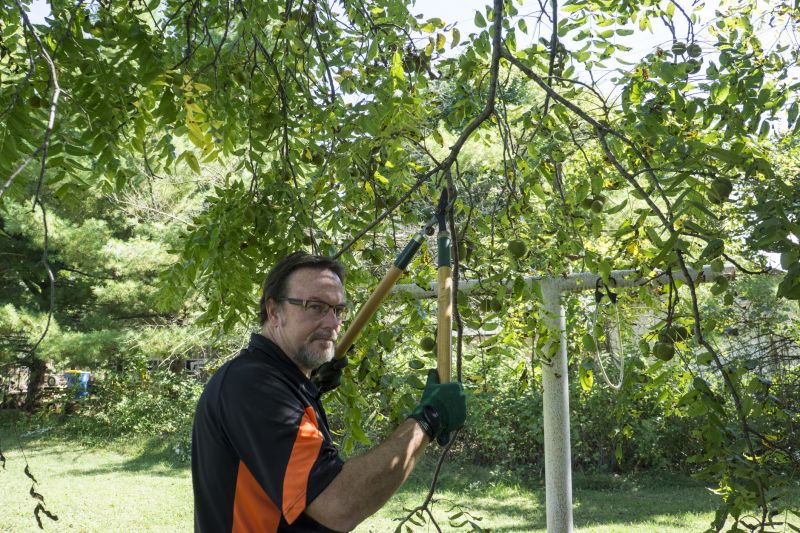 Tree trimmings are an essential part of maintaining healthy and attractive trees, whether for aesthetic purposes, safety, or promoting growth. Proper tools and products can make trimming tasks more efficient and safer, especially for those who regularly care for trees in residential or commercial landscapes. From pruning shears to specialized trimming kits, there is a wide variety of products designed to assist in different trimming scenarios. Selecting the right tools depends on the size and type of trees, as well as the specific trimming needs.
Top Overall Option
Multi-Functional Pruning Kit
A comprehensive pruning kit that includes various hand tools such as pruning shears, loppers, and a small pruning saw. Designed for versatility and ease of use, this kit is suitable for trimming both small branches and larger limbs, making it ideal for general tree maintenance. Its ergonomic handles and durable construction aim to provide comfort and longevity during frequent use.
Types of Products For Tree Trimmings
Pruning Shears
Handheld tools perfect for trimming small branches and foliage, offering precision cuts and ease of maneuverability.
Loppers
Long-handled cutting tools designed for reaching and trimming medium-sized branches with leverage and control.
Pole Saws
Extendable tools that allow for trimming high branches without the need for ladders, enhancing safety and reach.
Pruning Saws
Small, handheld saws suitable for cutting thicker branches and limbs with detailed control.
Tree Clamps and Cables
Support tools used to secure or guide branches during trimming or removal procedures.
Hedge Shears
Tools for shaping and trimming hedges and smaller foliage, providing clean cuts.
Grafting Knives
Specialized knives used for grafting and precise pruning work.
Safety Gloves
Protective gear designed to shield hands from cuts, splinters, and abrasions during trimming tasks.
Replacement Blades
Additional blades for pruning tools to maintain sharpness and cutting efficiency.
Carrying Cases
Storage solutions for organizing and transporting trimming tools safely.
Ladder Stabilizers
Accessories that improve ladder stability when working at heights.
Tree Wedges
Tools used to support or lift branches during trimming or removal.
Debris Bags
Large bags for collecting and disposing of trimmed branches and foliage.
Cordless Electric Pruners
Battery-powered tools that provide effortless cutting for small to medium branches.
Manual Hand Saws
Traditional saws suitable for detailed and precise cuts on branches.
Tree Maintenance Kits
Complete sets that include multiple tools and accessories for comprehensive tree care.
Branch Rakes
Tools designed to gather and clear away trimmed branches and foliage efficiently.
Tree Pruning Guides
Instructional tools or manuals to assist with proper trimming techniques.
Popular Choices
Wireless tools favored for their convenience and ease of use on small branches.
Popular for reaching high branches safely without ladders.
Trusted for their leverage and ability to cut thicker branches efficiently.
Handy for quick trimming of small foliage and detailed work.
Versatile sets that provide a range of tools for various trimming needs.
Essential protective gear widely used during trimming tasks.
Helpful for supporting branches during pruning or removal.
Convenient for gathering trimmed branches and keeping work areas tidy.
Popular accessories for safer high-reach trimming.
Often used for precise pruning and grafting work.
Commonly purchased to maintain sharpness of pruning tools.
Favored for their control and ability to cut thicker branches.
Popular for those seeking comprehensive solutions for tree care.
Effective for clearing away trimmed debris.
Preferred for detailed cuts and smaller branches.
Useful for organizing and transporting trimming tools.
Commonly used for specialized pruning and grafting procedures.
Helpful for supporting branches during trimming.
When choosing products for tree trimming, it is important to consider safety features, durability, and ease of use. High-quality tools often feature ergonomic designs to reduce fatigue during prolonged use and include safety mechanisms such as locking blades or secure grips. Additionally, durability is crucial, as trimming tools are often exposed to harsh outdoor conditions and require materials that resist rust and wear.
For larger trees, equipment such as pole saws and extendable pruning tools can reach higher branches without the need for ladders, improving safety and convenience. Smaller hand tools like pruning shears and loppers are ideal for detailed work on smaller branches and foliage. Accessories such as replacement blades, protective gloves, and carrying cases can also enhance the trimming experience, making it more efficient and comfortable.
Investing in the right products for tree trimmings can help ensure that the task is performed effectively, safely, and with minimal damage to the tree. Proper maintenance of tools, including cleaning and sharpening, extends their lifespan and maintains their cutting performance. Whether for occasional pruning or regular tree maintenance, selecting the appropriate products tailored to specific needs is key to achieving healthy, well-maintained trees.
Key Buying Considerations
- Type of trees and branches you will be trimming to select appropriate tools.
- Size and reach required for high branches, influencing the choice of pole saws or extension tools.
- Material durability and resistance to rust for outdoor tools.
- Ergonomic design features to reduce fatigue during extended use.
- Safety features such as locking mechanisms and non-slip grips.
- Ease of maintenance, including sharpening and replacing blades.
- Weight of the tools for maneuverability and comfort.
- Compatibility of accessories and replacement parts with existing tools.
- Battery life and power source for cordless electric tools.
- Storage options like cases or tool organizers for convenience.
- Budget considerations while balancing quality and durability.
- Intended frequency of use to determine whether to invest in professional-grade equipment.
- Availability of replacement parts and customer support.
- Additional features like adjustable cutting angles or telescoping handles.
- Environmental conditions in your area that may impact tool performance.